War in Russia · 1812
After the Treaties of Tilsit Russia and France were allies; by 1812 the Continental System and the march on Moscow shattered that peace. The Grande Armée — over 600,000 men on paper — crossed the Niemen in June: the largest army Europe had yet seen.
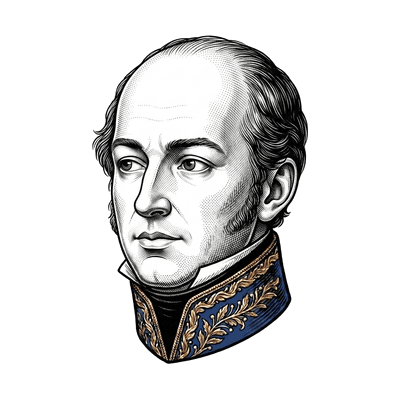
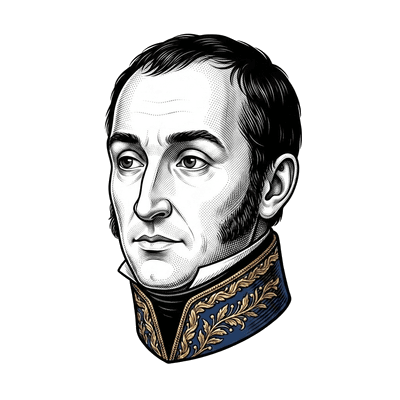
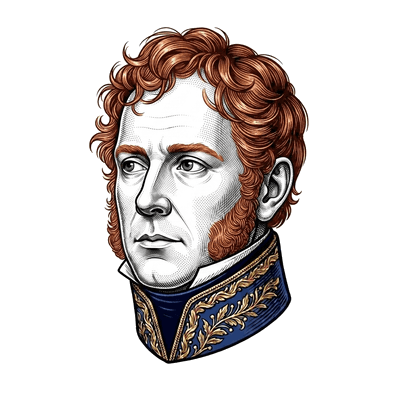
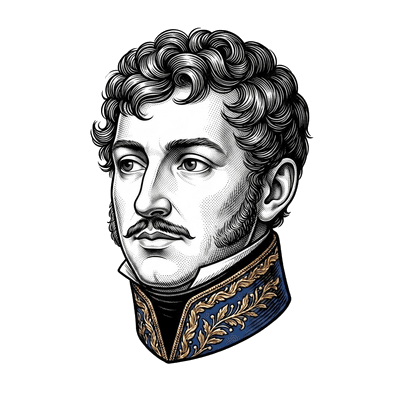
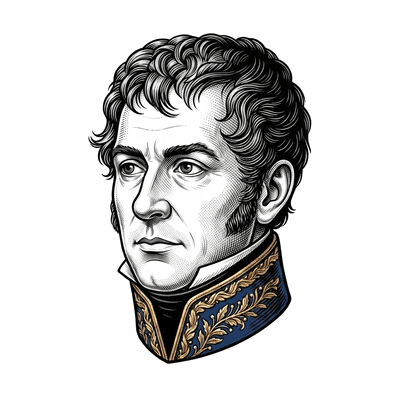
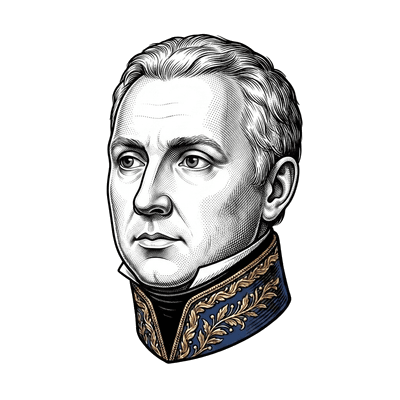
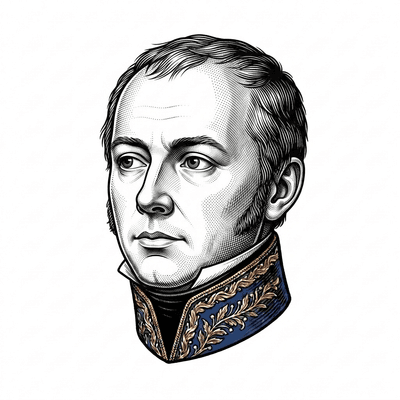
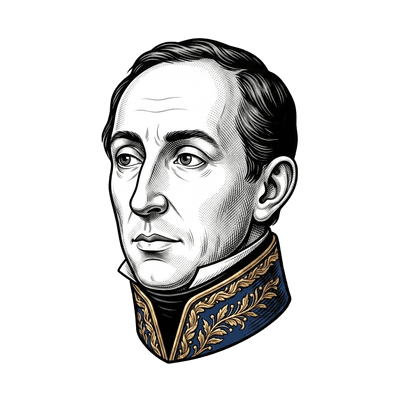
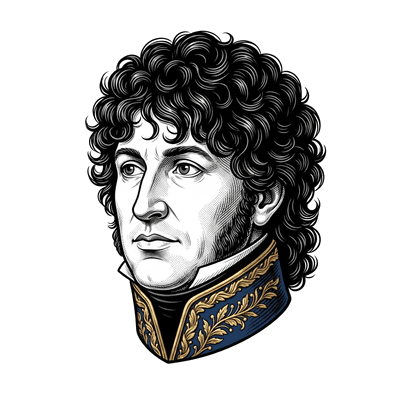
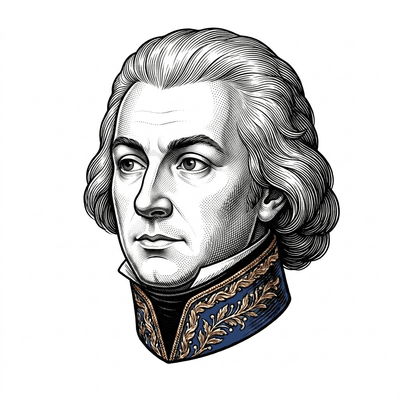
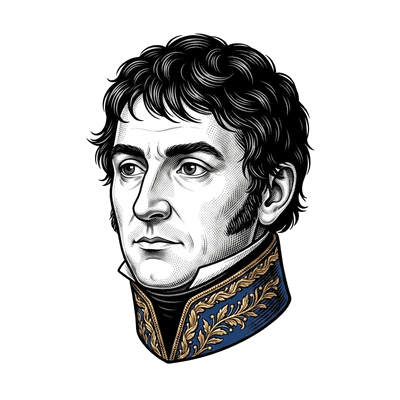
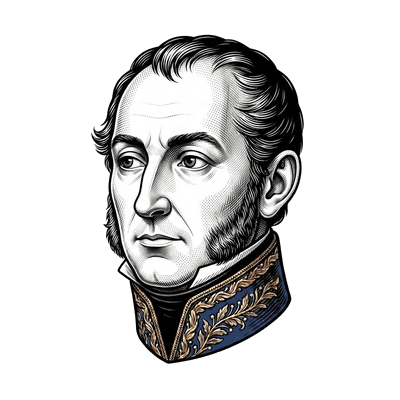
Marshals of the campaign
12 marshals
Key events
- 1812
- 24 JunPolitics
The Grande Armée crosses the Niemen. Barclay de Tolly commands the First Western Army; Bagration the Second — the Russian strategy is to retreat and refuse battle.
- 16 Aug
- 18 AugBattle
At Polotsk on the northern front Saint-Cyr defeats Wittgenstein — the Baltic front holds while the main army marches east.
- 17 AugPolitics
Alexander I appoints Kutuzov commander-in-chief; the army unites at Borodino for a stand before Moscow.
- 7 Sep
- 14 SepPolitics
The French enter Moscow. Fires destroy much of the city; Kutuzov blocks the southern route — the army waits in vain for peace.
- 24 Oct
- 19 Oct
- 17 NovBattle
At Krasnoi Ney's rearguard is shattered — the Grande Armée loses its last cohesion before the Berezina.
- 26 Nov
- DecPolitics
The survivors cross back over the Niemen. Of the army that invaded Russia, fewer than 100,000 return — the aura of invincibility is broken.
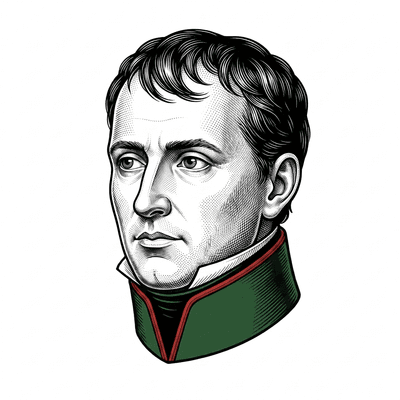
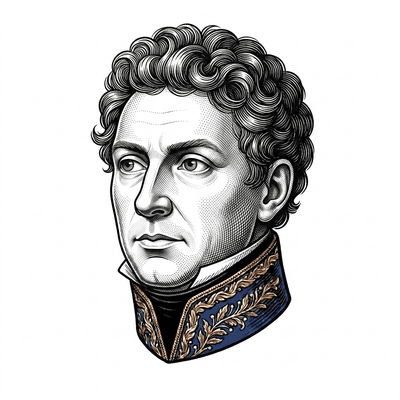
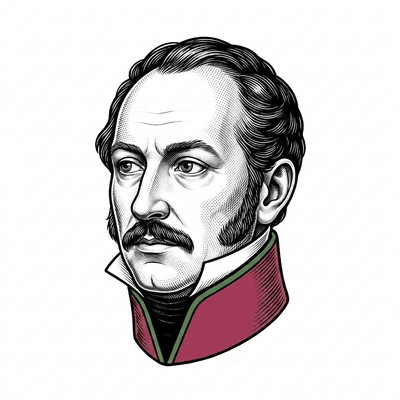
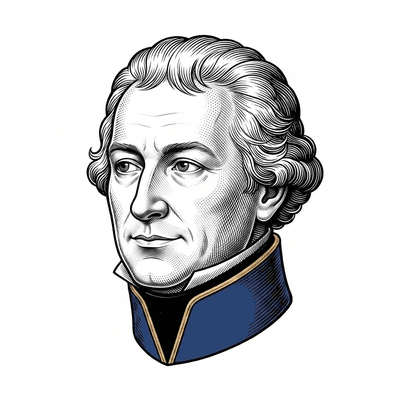
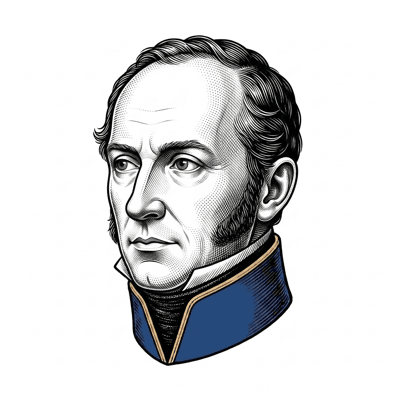
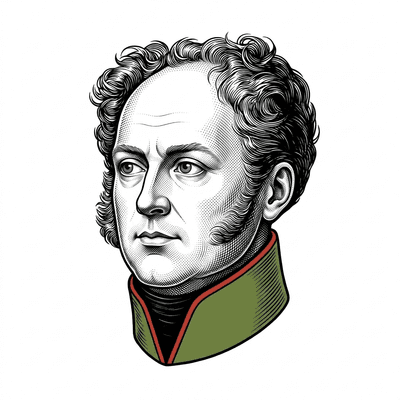
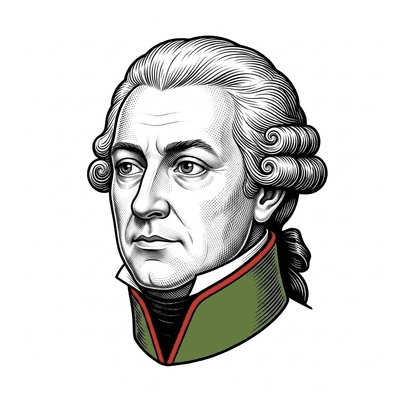
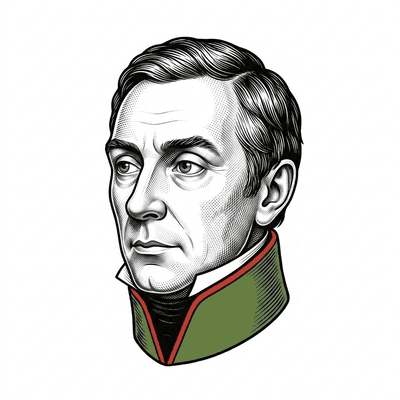
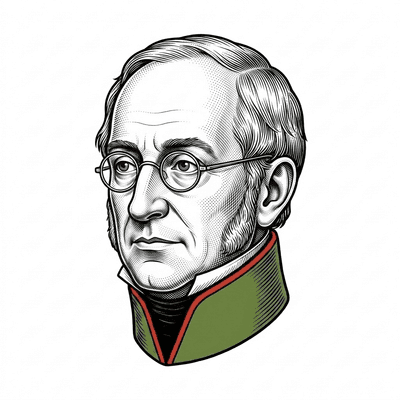
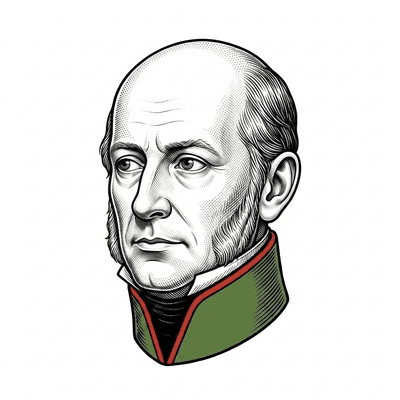
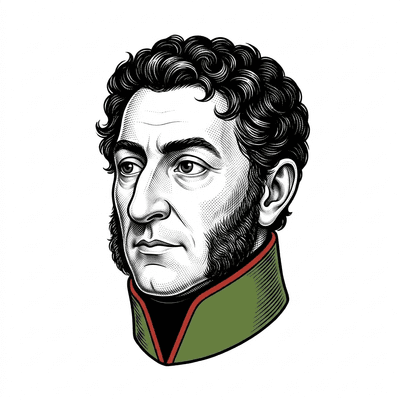
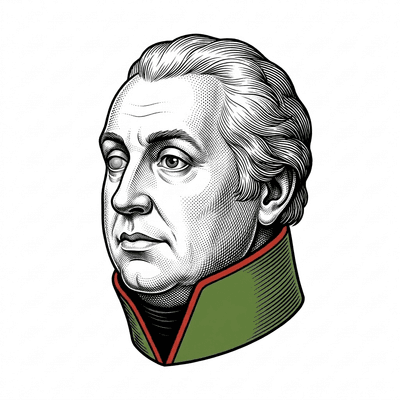
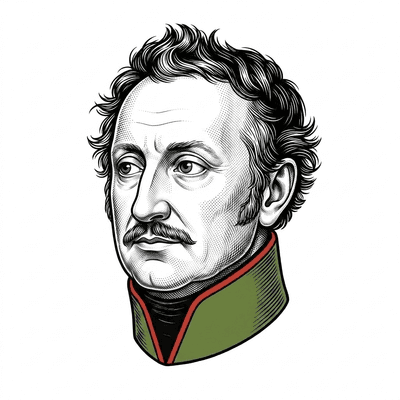
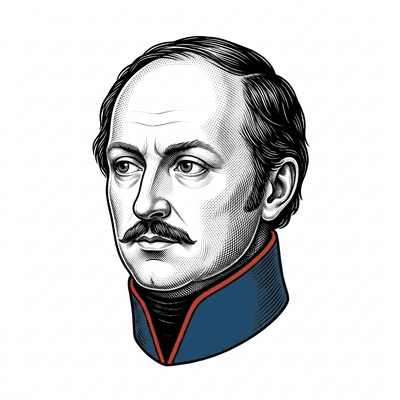
Sides and key participants

Campaign results
For France
- Catastrophic defeat: the Grande Armée ceases to exist as a fighting force
- Moscow occupied but not held — no peace with Alexander I
- Loss of the army's best cadres, horses, and artillery
- The disaster set the stage for the War of the Sixth Coalition
For the coalition
- Russia preserved its independence and became the leading power of the anti-French coalition
- Kutuzov's strategy — retreat, stand at Borodino, cut off supplies — was vindicated
- Patriotic War and partisan raids broke the invader's logistics and morale
- The campaign proved that Napoleon's army could be destroyed in a war of attrition