War of the IV Coalition · 1806–1807
After the Third Coalition's defeat, Napoleon created the Confederation of the Rhine and in August 1806 compelled several German states to break with the Habsburgs. On 9 October Prussia declares war — the Fourth Coalition forms: Prussia, Russia, Great Britain, and Sweden. At Jena and Auerstedt Saxony fights alongside France; in December 1806 it joins the allies.
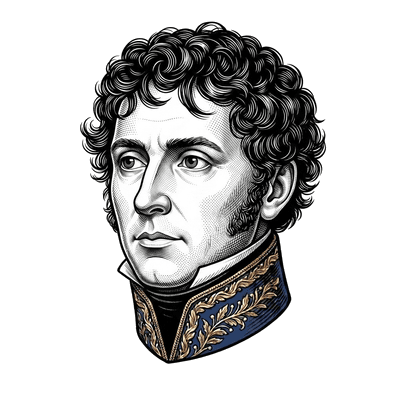
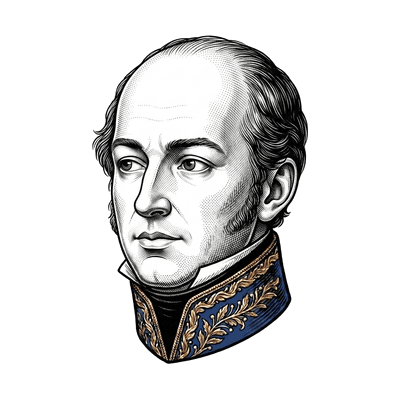
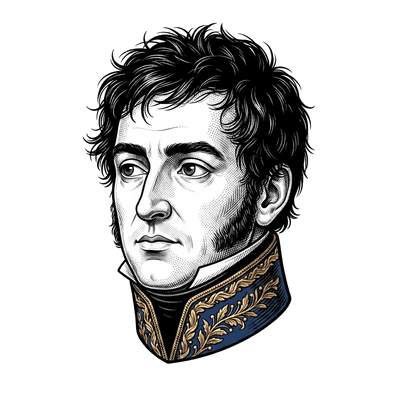
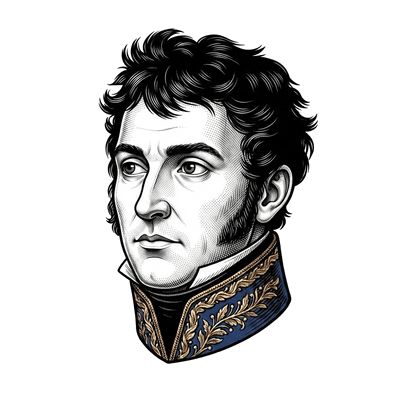
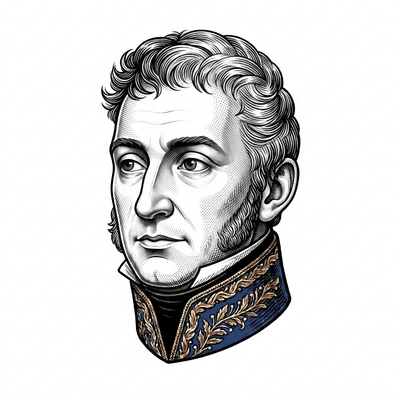
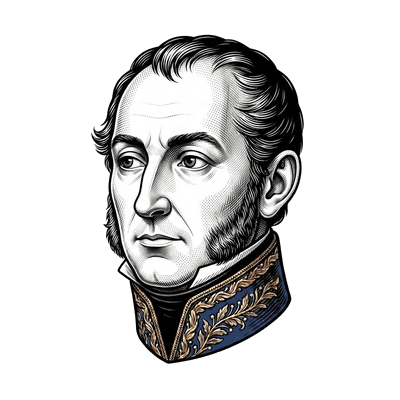
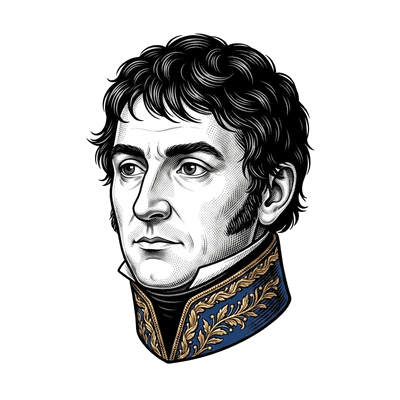
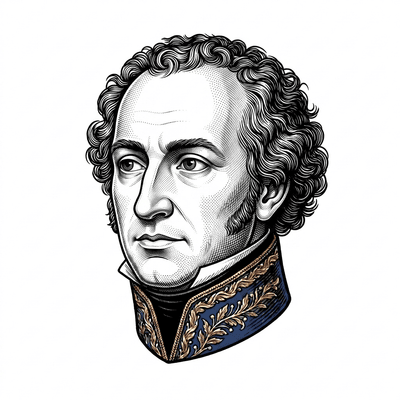
Marshals of the campaign
11 marshals



Key events
- 1806Politics
The Confederation of the Rhine and the end of the Holy Roman Empire heighten tensions with Prussia. Berlin prepares for war, counting on Fourth Coalition allies.
- 9 OctPolitics
Prussia declares war on France — Russia, Great Britain, and Sweden join its side; the Fourth Coalition forms. Brunswick is appointed commander-in-chief; the army is dispersed and outmarched by the Grande Armée.
- 10 OctBattle
At Saalfeld the main army's advance guard under Prince Louis Ferdinand meets Lannes's vanguard; the prince is killed in action — the first heavy blow to the Prussian army before Jena and Auerstedt.
- 14 OctBattle
The twin battles of Jena and Auerstedt: Brunswick dies of wounds; at Auerstedt Davout's corps routs the main Prussian force; at Jena Napoleon defeats the rest.
- 27 OctPolitics
The French enter Berlin. Prussia loses its capital; a chain of corps capitulations ends organised resistance in the field.
- 7 NovPolitics
After the march on Lübeck the last Prussian formations surrender. Prussia is effectively out of the war; Alexander I brings Russian armies into Poland.
- 26 DecBattle
At Golymin Russian troops hold the Grande Armée's advance in a snowstorm — an inconclusive winter battle.
- 26 Dec
- 1807Politics
Winter campaign on the Russo-Prussian frontier: Bennigsen commands the Russian field army; neither side gains a decisive victory as both prepare for the spring offensive.
- 8 FebBattle
At Eylau in a snowstorm a two-day battle ends inconclusively; in the fighting at the centre, divisions of Essen and Ostermann-Tolstoy, while Murat's cavalry stops a breakthrough.
- 1 Apr
- 27 MayBattle
Danzig capitulates — the key fortress on the coast. Lefebvre's X Corps cuts Russian access to the sea.
- 10 JunBattle
At Heilsberg the Russian army repels the Grande Armée with heavy losses on both sides; decisive battle is postponed by a week.
- 14 Jun
- 19–22 JunPolitics
In the Aegean Senyavin’s squadron defeats the Ottoman fleet at Athos — a parallel naval theatre of the Fourth Coalition while Friedland decides the war on land.
- 7 JulTreaty
Treaties of Tilsit: Goltz and Kalckreuth sign the terms after Napoleon refuses to negotiate with Hardenberg; Talleyrand frames the agreement with Russia.
- 18 JulTreaty
Peace in Swedish Pomerania: Brune signs with Gustav IV Adolf; the Fourth Coalition's northern front collapses.
- 5 SepBattle
The Royal Navy bombards Copenhagen — a naval strike against the Danish fleet, planned by Canning and Castlereagh; the blockade tightens around the Continent.
Sides and key participants

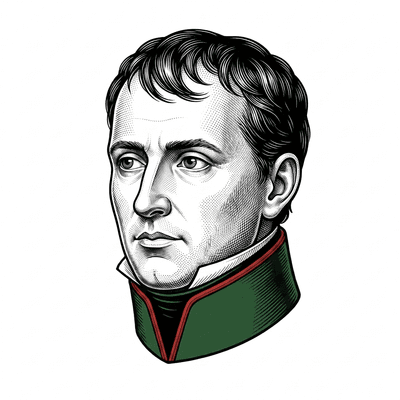
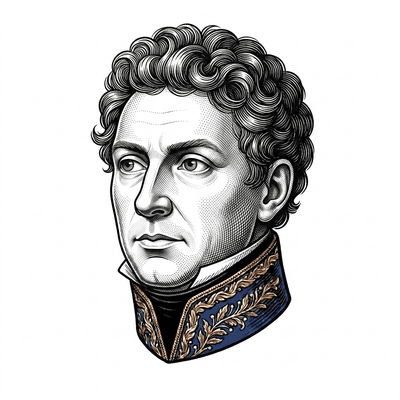
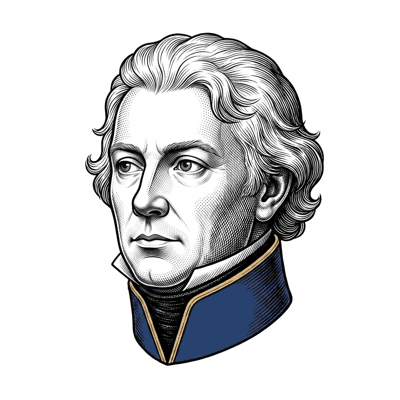

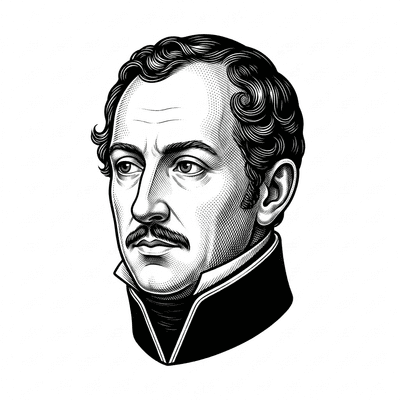

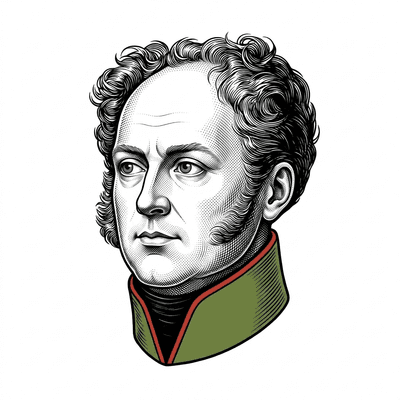
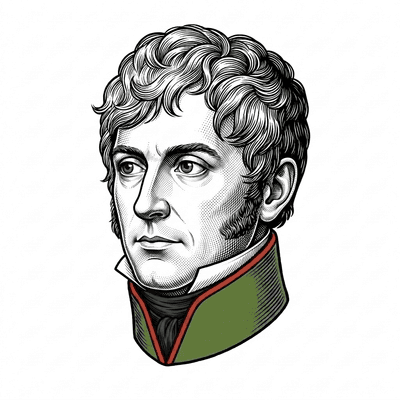
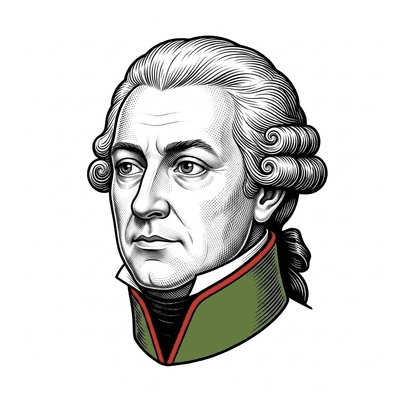
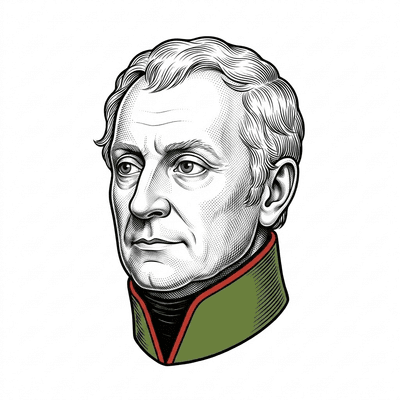

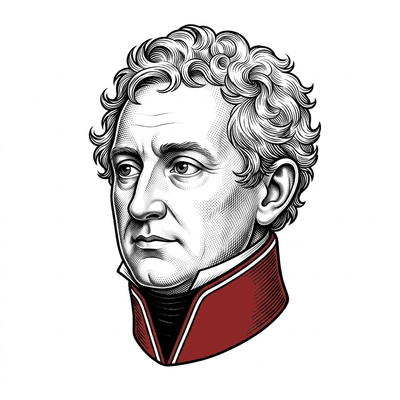
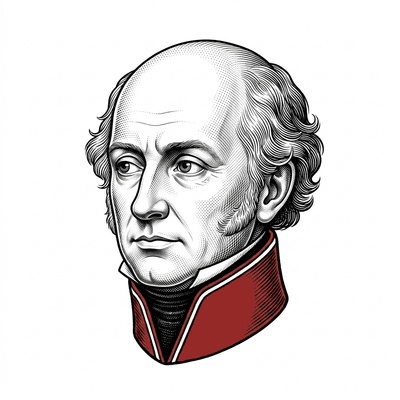
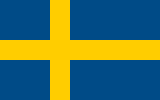
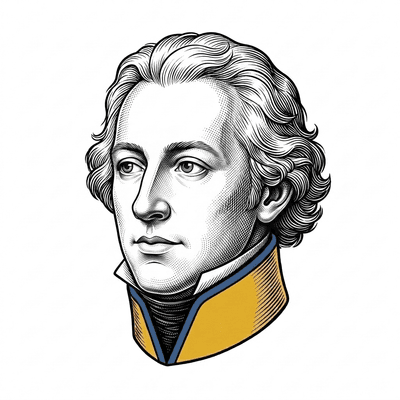
Campaign results
For France
- Rout of Prussia at Jena and Auerstedt and occupation of Berlin
- Victory at Friedland and the Treaties of Tilsit with Russia
- Strengthening of the Confederation of the Rhine; capitulation of Swedish Pomerania
- Temporary alignment with Russia — pause on the eastern front until 1812
For the coalition
- Prussia lost half its territory and its army as an independent force
- Russia stepped back from active war until the campaign of 1812
- Sweden kept its kingdom but lost Pomerania; Britain could not change the outcome on land
- The Fourth Coalition collapsed