War of the VII Coalition · 1815
After exile to Elba, Louis XVIII was restored and the powers at the Congress of Vienna prepared a "definitive peace". On 1 March 1815 Napoleon landed at Golfe-Juan and within twenty days entered Paris without resistance — the Hundred Days began and the Seventh Coalition formed against Napoleon.
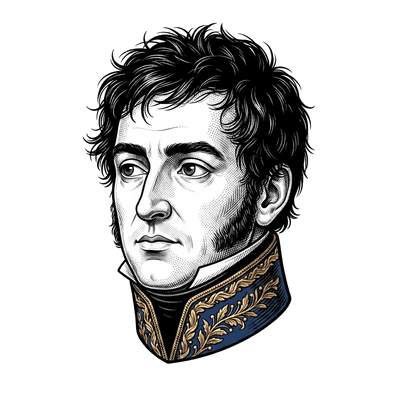
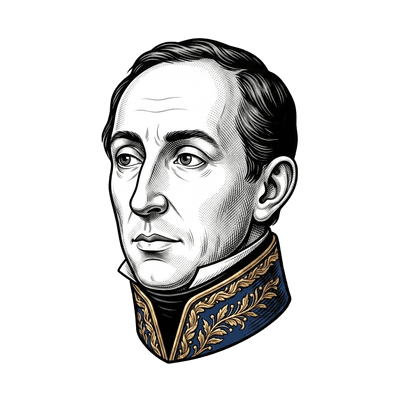
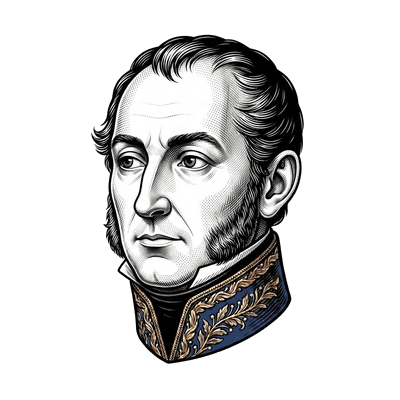
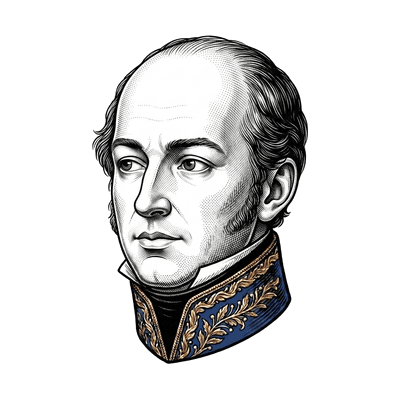
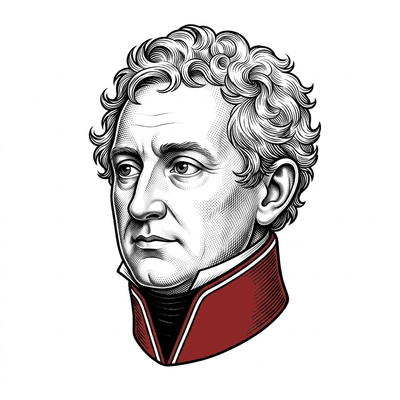
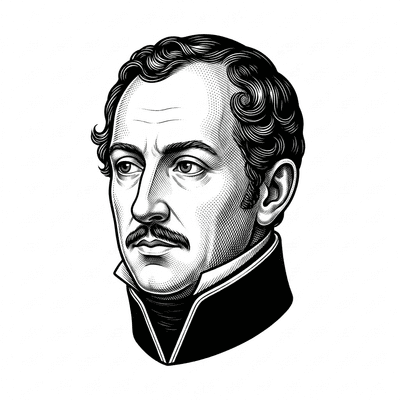
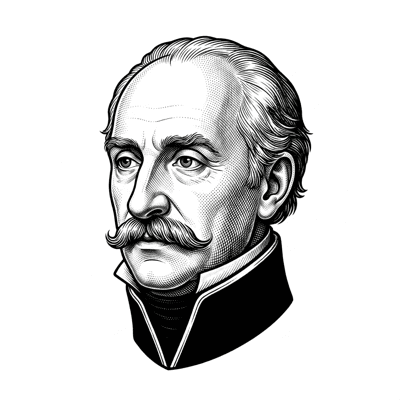
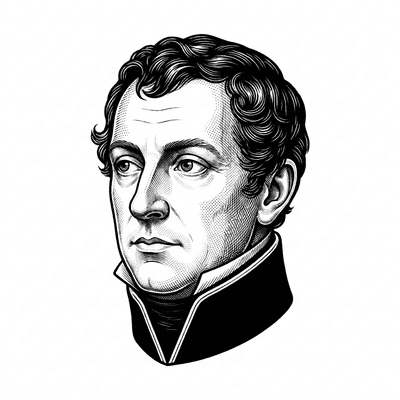
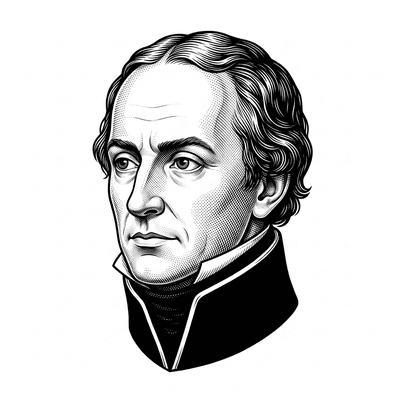
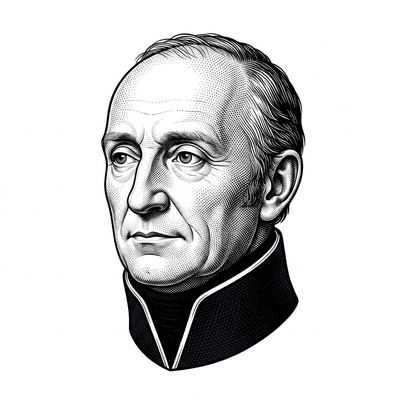
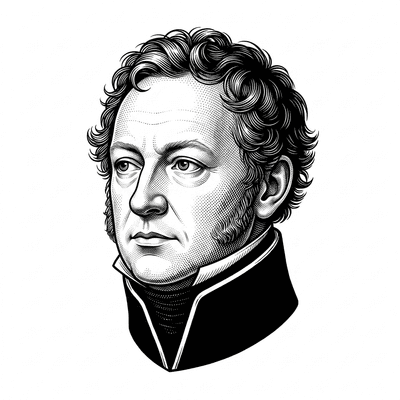
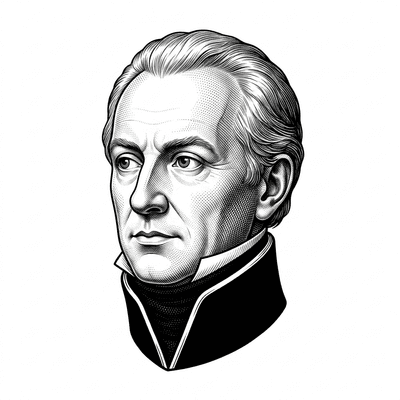
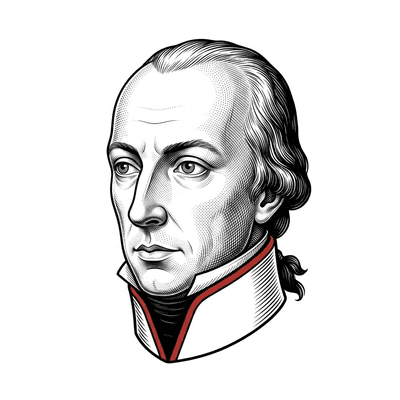
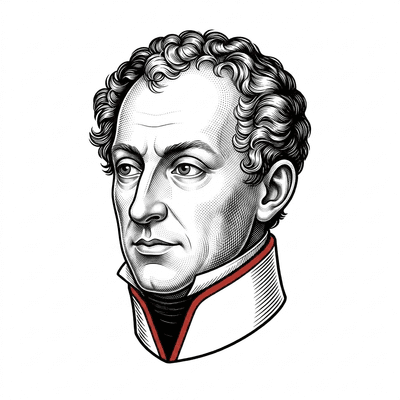
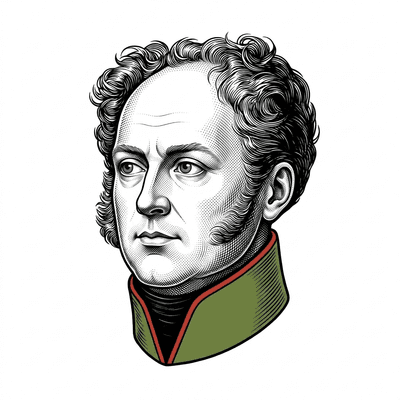
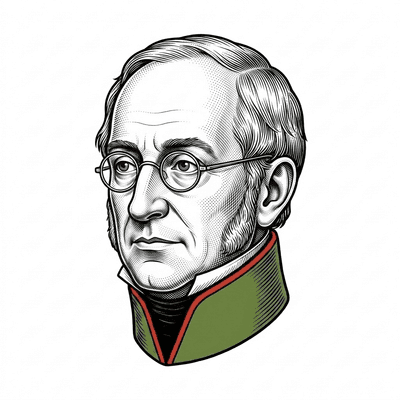
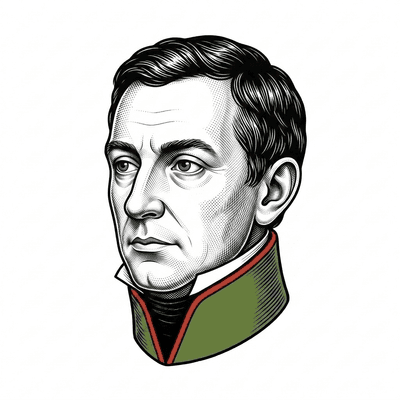
Marshals of the campaign
5 marshals

Key events
- 1 MarPolitics
Napoleon landed at Golfe-Juan and marched on Paris; the army and provinces rallied to him — the Hundred Days overturned the Bourbon restoration.
- 13 MarPolitics
The Congress powers declared Napoleon an outlaw and formed the Seventh Coalition: Great Britain, Prussia, Austria and Russia.
- 2 MayBattle
At Tolentino Murat was defeated trying to raise Italy against Austria — the southern flank of the Hundred Days collapsed before the main battles in Belgium.
- JunePolitics
The allies concentrated in Belgium: Wellington near Brussels, Blücher to the north — Napoleon sent the Army of the North to separate them.
- 16 JunBattle
At Quatre Bras Ney attacked Wellington's positions but failed to destroy the allied army before reinforcements arrived.
- 16 Jun
- 18 JunBattle
At Waterloo Napoleon failed to defeat Wellington before Blücher appeared; the Guard's final attack broke down.
- 18 Jun
- 22 JunPolitics
After defeat Napoleon abdicated again; power passed to Talleyrand and a provisional government.
- 8 AugPolitics
A British frigate carries Napoleon to Saint Helena — final exile after the second abdication.
- 20 NovTreaty
The Second Treaty of Paris defines the post-war borders and brings the Napoleonic Wars to a close.
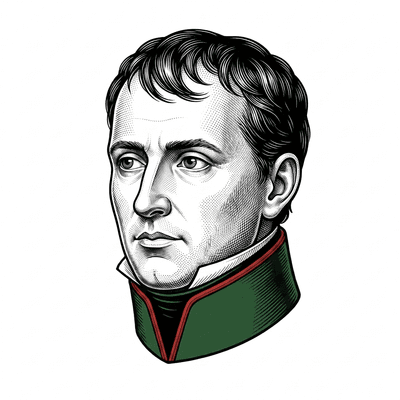
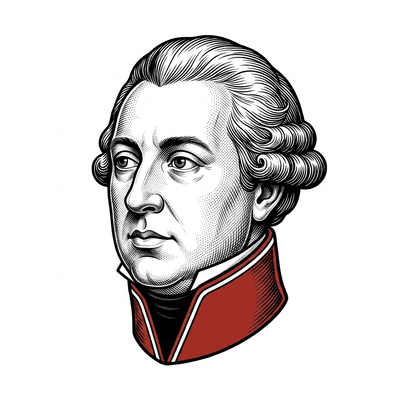
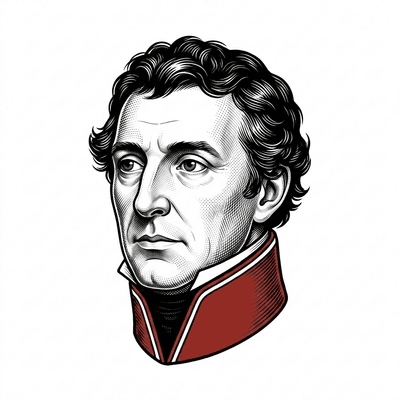
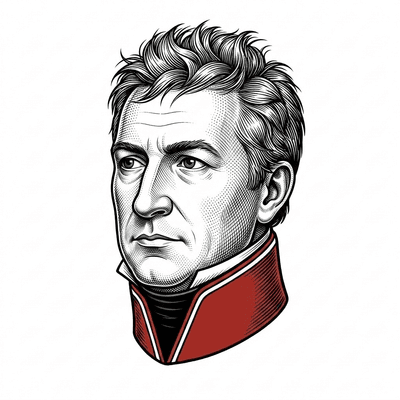
Sides and key participants






Campaign results
For France
- The Hundred Days showed Napoleon still commanded loyalty, but the army could not gather all its forces in time
- Victory at Ligny did not destroy the Prussians — they appeared on the flank at Waterloo
- Grouchy followed his orders to the letter but could not save the campaign at Wavre
- Second abdication and Saint Helena — Napoleon's final end
- Ney was shot by the Bourbons for breaking his oath
For the coalition
- The Seventh Coalition united at the Congress of Vienna against the "usurper"
- Wellington and Blücher shared command in Belgium
- Allied stubbornness at Waterloo bought time for the Prussian flank attack
- The Bourbons were restored; Europe gained the long peace of the Congress system
- The era of the Napoleonic Wars was over